How London police pushed Canada's first safe supply program back to the streets
A year before Canada's first prescribed safe supply clinic closed its doors, London Police Service helped vilify the program locally and federally – building on a national panic propelled by lofty police claims that safe supply was driving the toxic drug crisis.

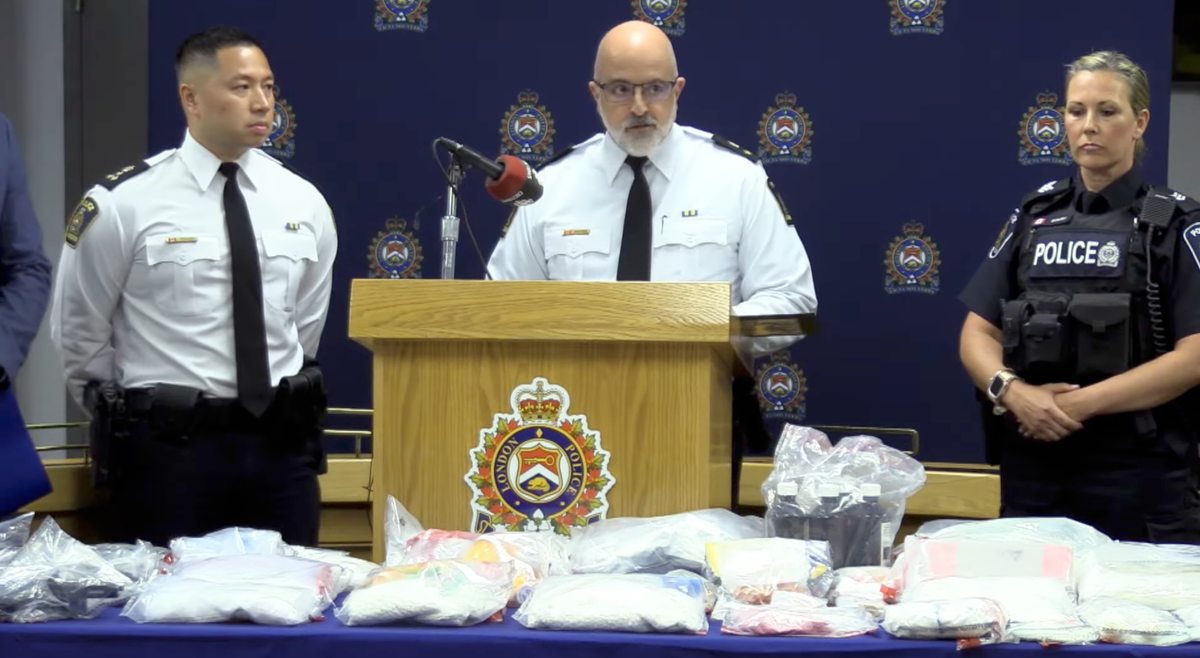
At a July 2024 press conference, the London Police Service chief and deputies created a narrative that linked gun violence to drug diversion and, by extension, the London InterCommunity Health Centre's prescribed safe supply program, according to documents obtained by Drug Data Decoded through freedom of information. A briefing note circulated by the local health authority to the police a month after the press conference disproved the London police framing, but they failed to correct the record and deny receiving the briefing note.
Instead, in November 2024, London's police chief, Thai Truong, provided testimony to a federal committee rooting London's illegal drug trade within "the safe supply program."
That London police-led press conference on gun violence and Truong's testimony were important accelerants in the national campaign against safe supply. By March 2025, all 29 federal safe supply programs were defunded, and in July 2025, the London InterCommunity Health Centre program formally closed its doors.
The safe supply panic
In February 2024, the Ontario government convened a three-day symposium of experts on drug use, police, justice officials, health and social policy experts to find solutions to the toxic drug crisis. A central call to action emerging from the symposium was regulating the illegal drug supply – in other words, scaling up the work of existing prescribed safe supply programs.
But, as Nick Boyce reported for Drug Data Decoded, the symposium report was never released. Instead, the Ford government tacked hard against most of its drafted recommendations, announcing the wholesale adoption of the privatized and abstinence-based Alberta Recovery Model in April of that year – a model that legislated against prescribed safe supply in late 2022.
The same month as the symposium, national attacks on safe supply by police ramped up, with Campbell River and Prince George RCMP announcing they had seized hydromorphone diverted from safe supply. The opioid volumes paled in comparison to the sizes and potencies of publicized fentanyl busts, but federal Conservative leader Pierre Poilievre and Alberta premier Danielle Smith were quick to leverage the announcements to disparage safe supply programs. Amplified by media commentators including Adam Zivo and Sam Cooper, the national panic's rising tenor drowned out warnings by the outgoing BC Chief Coroner that cutting prescribed safe supply programs would harm their participants.
In his National Post columns, Zivo had zeroed in on the London InterCommunity Health Centre (LIHC) prescribed safe supply program, established in 2016 as the first such program in Canada. In October 2023, he wrote about travelling to London, where he observed the clinic's clients and shared physically identifying information about one on social media. In June 2024, he appeared to accuse LIHC clinician Andrea Sereda of lying to the parliamentary Standing Committee on Health. The federal Conservative Party then demanded Sereda's medical license be revoked in a press release titled "NDP-Liberal-Bloc Coalition Protect Trudeau Funded Doctor Who Lied to Committee."
On July 15, London Police Service steered the national narrative into a local story of hydromorphone diversion, as Chief Thai Truong and his deputies held a press conference following a drug bust that served to accelerate the panic around prescribed hydromorphone.
In that bust, London police seized a total of 11,232 prescribed hydromorphone pills, each of which contained eight milligrams of opioid – 89 grams in total. They also seized 2,000 grams of fentanyl, representing around 1,000-fold more opioid by potency than the hydromorphone, plus larger quantities of cocaine, methamphetamine, and guns. The hydromorphone was still made the headline.
The police produced no evidence that traced their seized hydromorphone to the LIHC program, but stated they had "direct evidence of diversion in the form of packaging or labelling" – without clarifying the alleged source. When London Free Press asked if Truong could explicitly link the seized drugs to a safe supply program, Truong deflected and explained it as supply-and-demand: since London had lower hydromorphone street prices than more remote "Northern" regions, London therefore had greater supply.
In any case, hydromorphone was a sliver of the opioid market and responsible for few, if any, overdose deaths in Ontario that year. Meanwhile, the province's safe supply programs were driving upwards of 83 percent reductions in overdoses among clients.
Prescription drug diversion is a predictable outcome of extreme poverty – a meagre resource people could trade for survival or to fulfill other unmet needs. However, police handcuffing diversion to gun violence and unregulated fentanyl, as if these would cease in the absence of hydromorphone, vilifies the programs and the people associated with them.
Press conference playbook
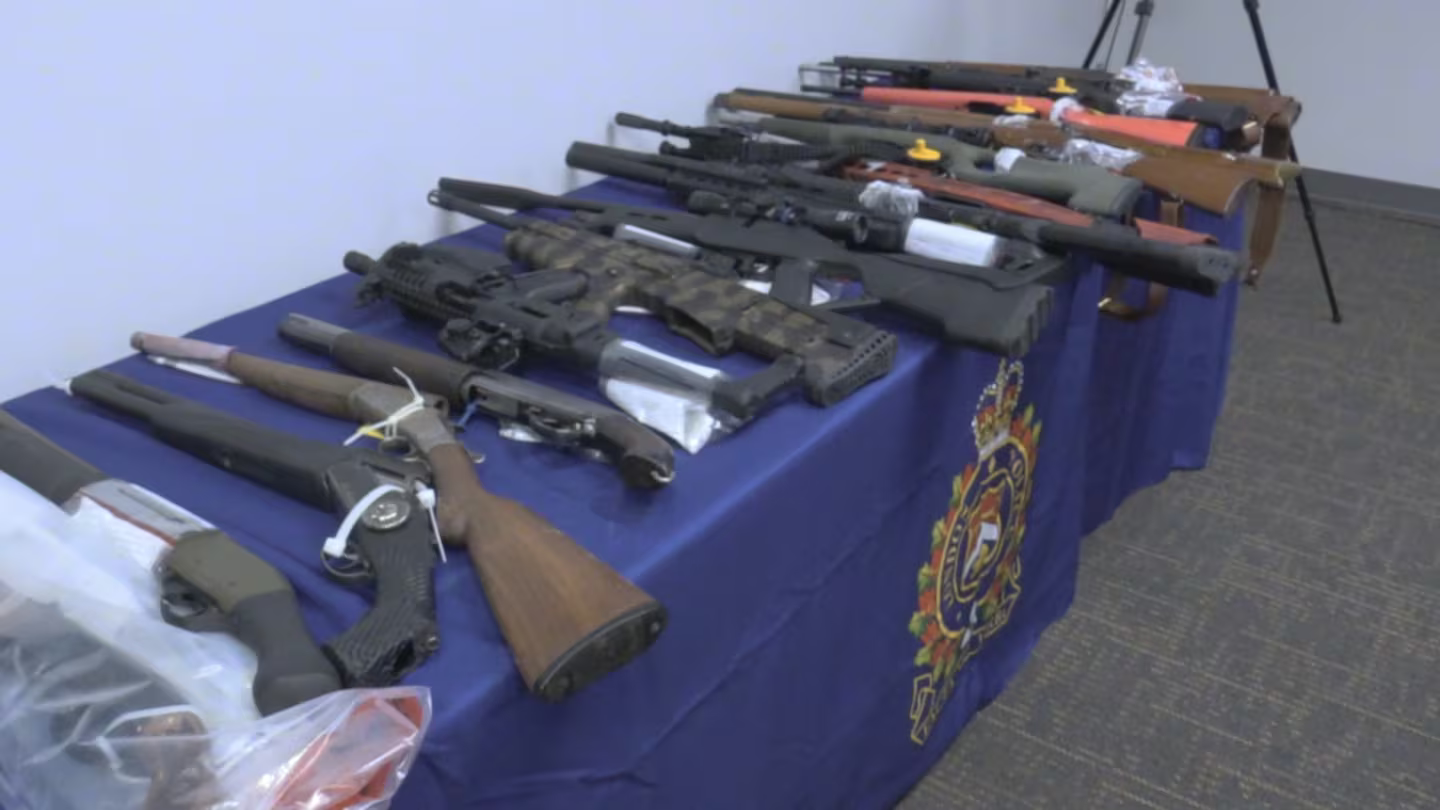
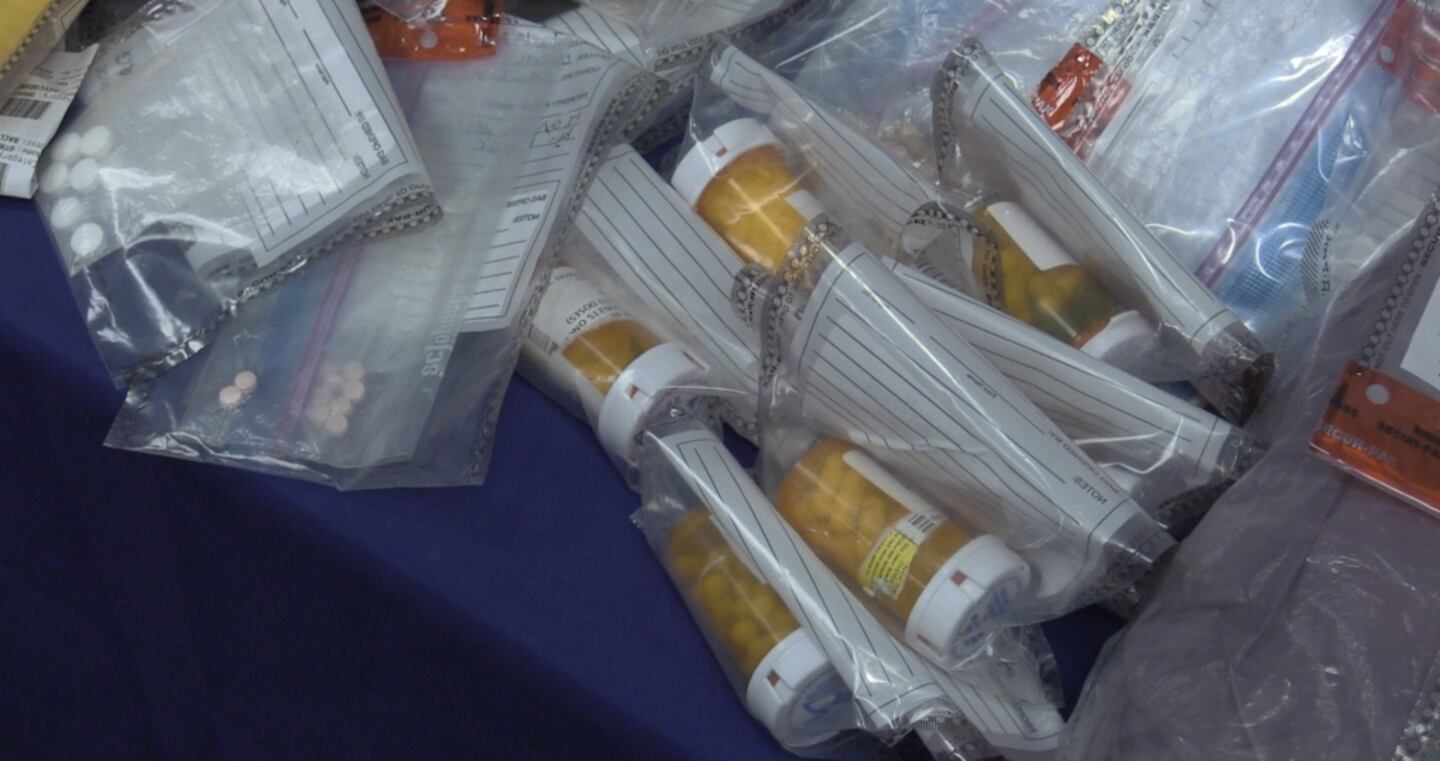
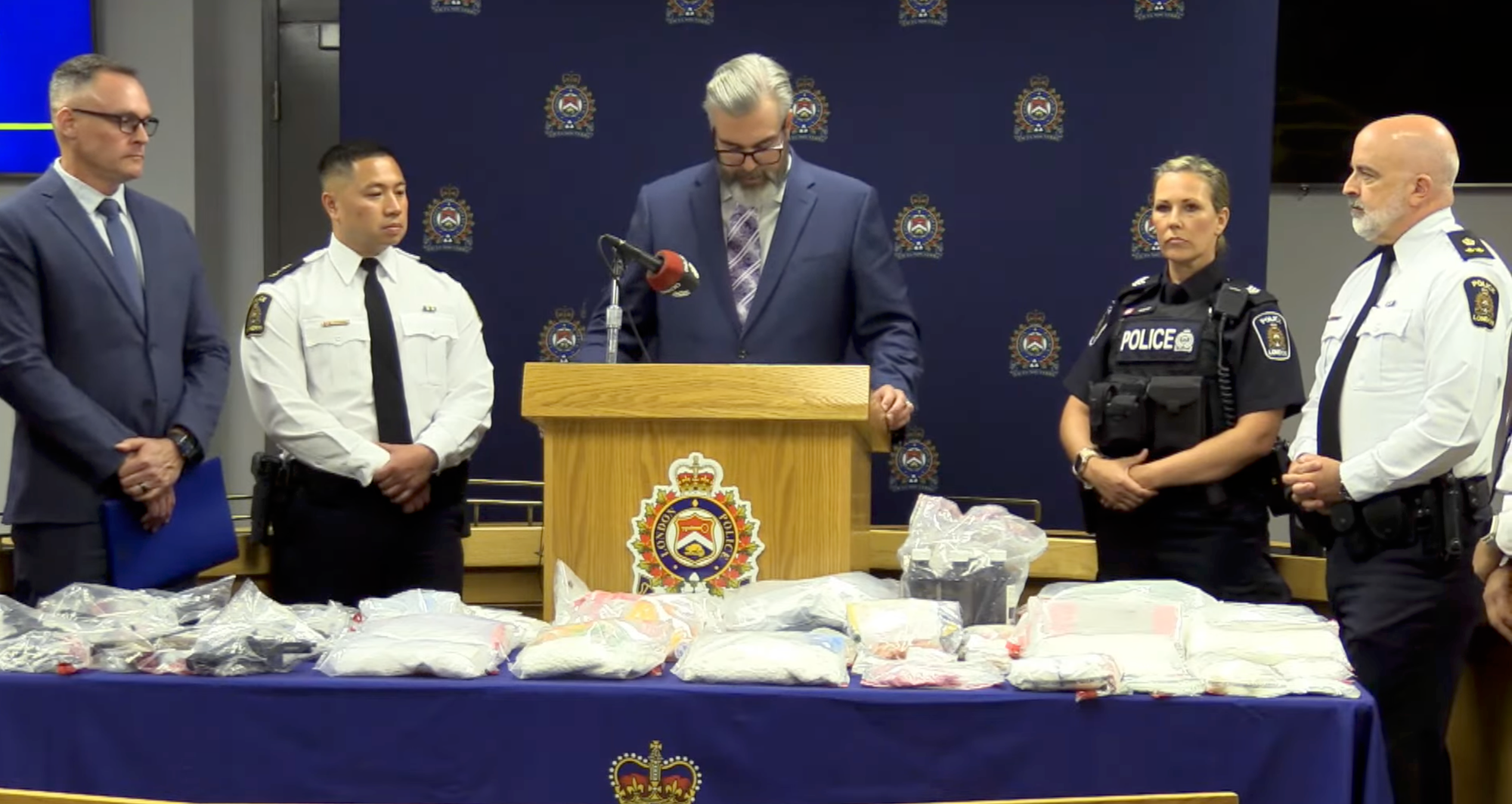
Documents obtained by Drug Data Decoded through freedom of information outline the police executives’ press conference strategy: link safe supply to drug diversion and diversion to gun violence, then put the director of the safe supply program in front of cameras, a table of drugs, and a lineup of guns.
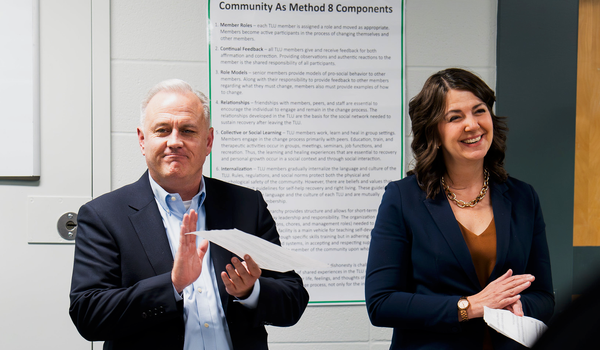
The July 15 media advisory, titled "PRESS CONFERENCE REGARDING DRUG ENFORCEMENT EFFORTS AND THE DIVERSION OF SAFE SUPPLY," emphasized "the growing concern related to the diversion of safe supply drugs, and the dangers posed to our community," then listed the speakers. Three police executives would be followed by Scott Courtice, Executive Director of the LIHC and Dr. Alex Summers, Medical Officer of Health for Middlesex-London Health Unit (MLHU).
As the plan detailed, Chief Truong would open by connecting gun violence in the community to the drug trade. Next, Deputy Chief Paul Bastien would describe diversion of prescribed safe supply as “an unintended consequence of opioid replacement programs" and suggest the programs were correlated with drug toxicity deaths. Finally, the officer in charge of the "Guns and Gangs Section," Detective Sergeant Josh Silcox, would connect diverted drugs with his unit's "investigations into drug trafficking and firearms-related offences."
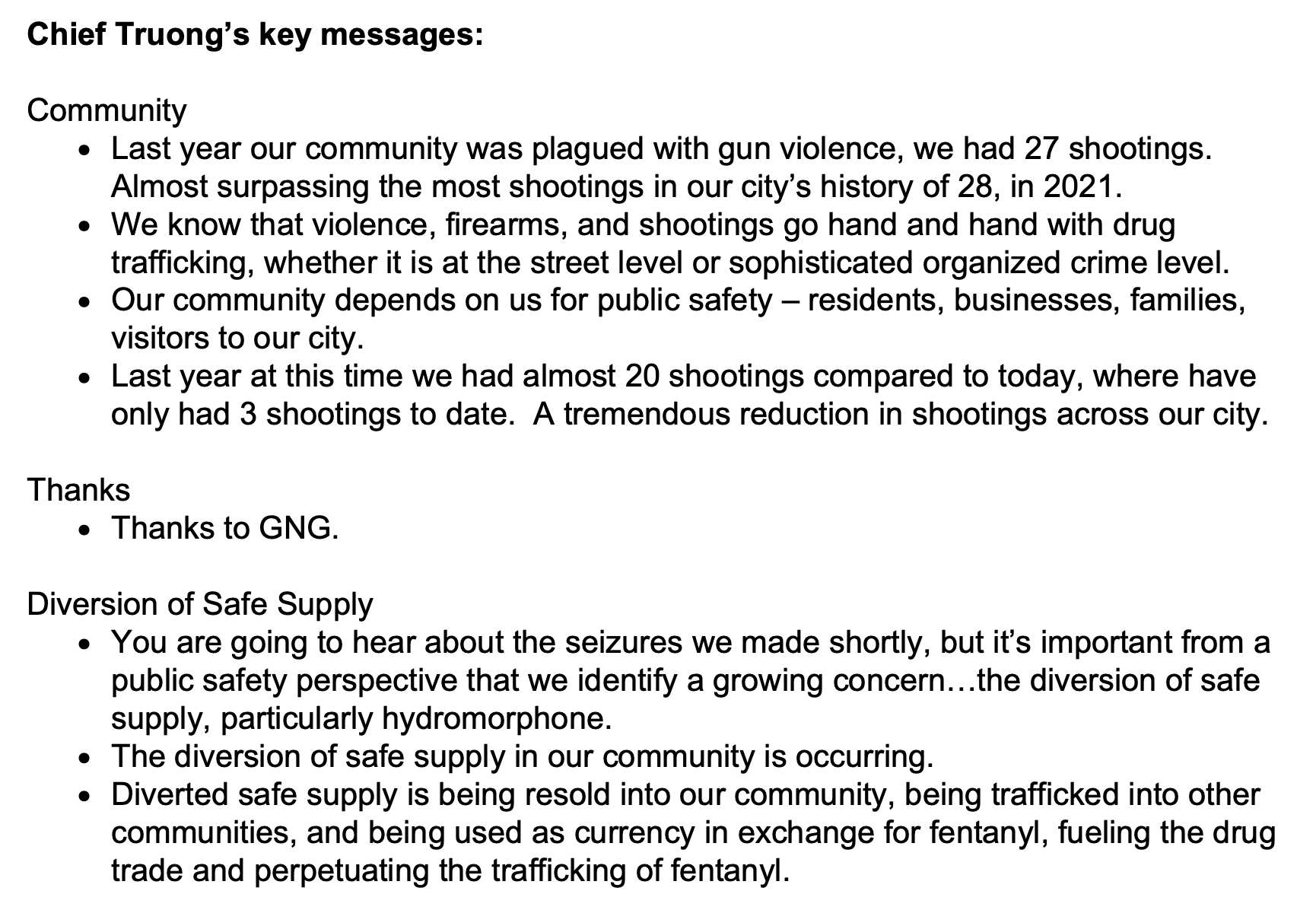
Emails show that on Thursday, July 11, London police invited LIHC and LMHU to present at the presser and requested their speaking notes for a media advisory to be circulated "late Friday" to "accredited news outlets." That advisory was not circulated until 8:37 AM on Monday.
However, the London police director of communications warned Courtice and Summers on Friday that in addition to local media, "National Post, Epoch Times and True North have asked for an invitation to the event... we can predict that their questions in the Q&A portion of the presser will follow their particular agendas." This shows that the police were already back-channeling information about the event to some media outlets, days before the press release went out.
Courtice and Summers did not receive the police speaking notes they had been told to expect on Friday until 11:16 AM on Monday, hours after the media advisory was circulated and just one hour before they were instructed to arrive at the police headquarters to run through the press conference.
Press conference vs health unit briefing note
Careful narrative framing by London police, paired with the LIHC's visibility at the event, facilitated the scapegoating of the LIHC program for violence related to the unregulated drug trade.
Speaking from a lectern positioned in front of one table covered with drugs and near another with guns, Courtice emphasized the risk of diversion "whenever a controlled substance is prescribed," and attempted to dispel concerns about the LIHC program by explaining the clinic’s stringent urine screening procedures and zero-tolerance diversion policy. He also pointed out that three other clinics in the city were prescribing safe supply – it was not only LIHC. However, during media questions, Courtice admitted that the clinic worked with “highly marginalized people, so sometimes their medication may have been stolen," tying LIHC's hardest-struggling clients into the diversion narrative.
Courtice explained to Drug Data Decoded that LIHC "took part in the media conference to show that health and community partners were working together to address community concerns." He did not respond when asked if he was notified in advance that the press conference would be visually arranged as a drug bust. The obtained correspondence does not show London police informing Courtice or Summers ahead of the event that drugs or guns would be on display.
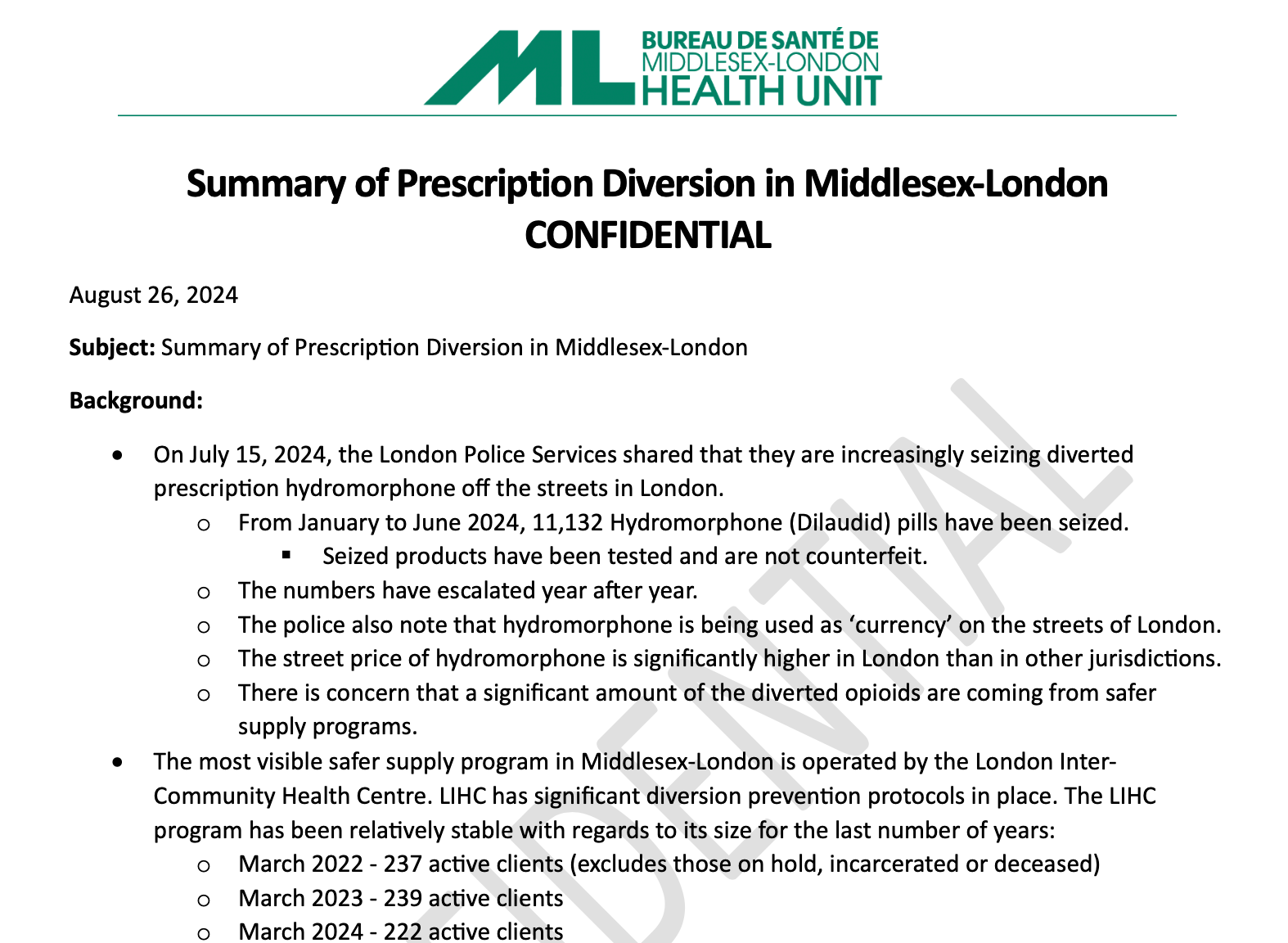
A month after the press conference, the MLHU circulated a briefing note titled “Summary of Prescription Diversion in Middlesex-London," which was obtained by Drug Data Decoded. It explained that as “the most visible safer supply program in London,” the LIHC program had “significant diversion prevention protocols in place,” including urine screening. Its "significant primary care supports" were suggested to improve client outcomes, in contrast to models focused mainly on prescribing.
The briefing note showed LIHC's client number declining from 237 in March 2022 to 222 in March 2024, while producing provincial data indicating the number of people prescribed hydromorphone in London rose from 541 to 806 over that period. The volume of dispensed hydromorphone had also doubled. "LIHC is not the only operator of a safer supply clinic," the briefing note explained. "Collectively, there is no comprehensive line of sight on all other clinics or their diversion prevention practices."
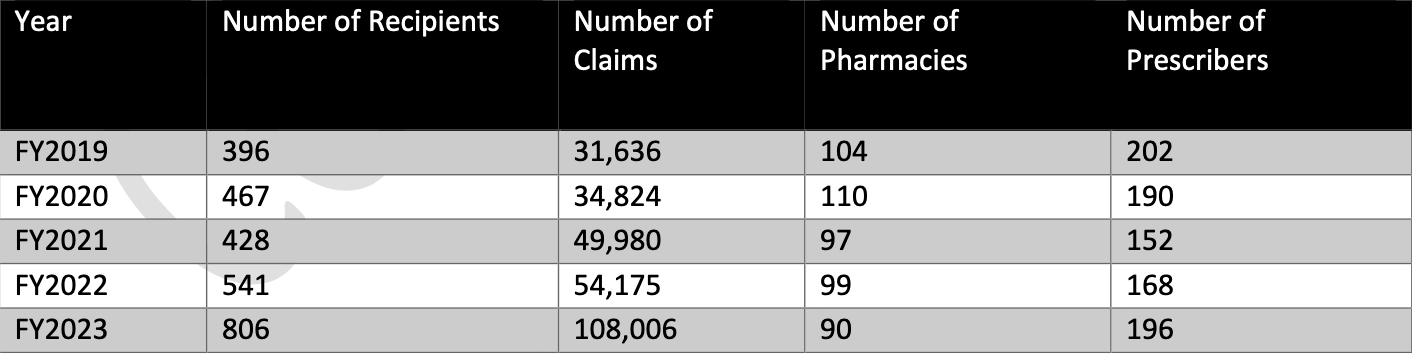
By hauling LIHC in front of cameras and the spoils of drug busts, London police had vilified a prescriber that appears to have been largely unconnected to the narrative the police were concocting. Rather than the 222 LIHC clients, the MLHU pointed at virtual prescribing companies as likely suppliers of diverted medications. Like London police, the briefing note ignored diversion from pharmacies as a contributing factor.
Despite containing information that could have pushed back on a manufactured national panic and kept dozens of federally funded safe supply programs open, the briefing note was marked "confidential" and never made public.
London Police Service denies receiving the briefing note
In October 2026, the LMHU was approached for an interview about the briefing note. They declined but revealed that the briefing note was "broadly circulated" –including to police:
"...at the time it was written, it was broadly circulated to a wide range of community organizations across the spectrum of harm reduction, prevention, treatment, and enforcement services."
Courtice further confirmed his belief that the briefing note was sent to the police.
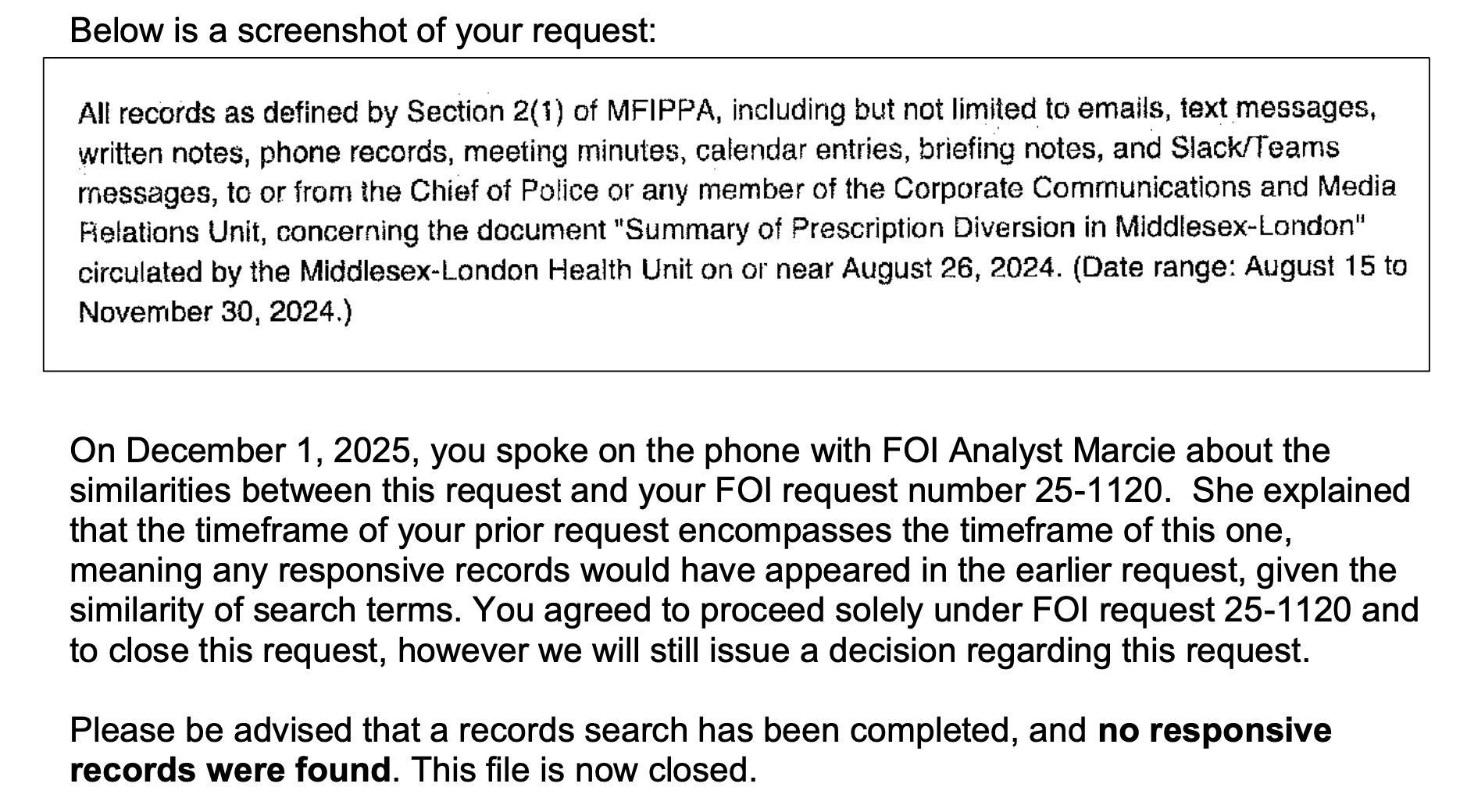
However, in a freedom of information response, London police denied that the chief or communications division received the briefing note. A second freedom of information request for records mentioning drug diversion, safe supply, or harm reduction also failed to produce any records concerning the briefing note.
London Police Service was asked for an interview on November 9. Their media officer replied seeking further information, which was provided, but did not make anyone available to answer questions.
The Parliamentary committee on safe supply
Chief Truong was invited to testify in November 2024 to the House of Commons Standing Committee on Health, which was examining diversion risks from safe supply programs. While dismissing pharmacies as contributors to diversion, Truong focused his opening remarks on "the challenges" that London police were facing "with respect to the safe supply program and its unintended consequences."
"These diverted drugs are being resold within our community, trafficked to other jurisdictions and even used as currency to obtain fentanyl, perpetuating the illegal drug trade. Specifically, we are seeing significant increases in the availability of diverted Dilaudid eight-milligram tablets, which are often prescribed as part of safe supply initiatives."
When asked by Conservative MP Laila Goodridge on his confidence that the drugs were from these safe supply programs, Truong responded: "We had direct evidence linking the seizures of eight-milligram Dilaudid specifically to the safe supply program." Truong only identified the LIHC program by name and referred to "the safe supply program" seven times in his statements.
In his opening remarks, Truong stated that "by 2023, [hydromorphone] seizures ballooned to over 30,000 pills, with nearly 50 percent being eight-milligram Dilaudid." As clarified by the MLHU briefing note, it is unlikely that a significant portion of the Dilaudid being seized came from the LIHC safe supply program, given that its client number was declining while police seizures were massively increasing. Truong asserted that London police had linked "the seizures" – implying those 15,000 Dilaudid pills – "specifically to the safe supply program."
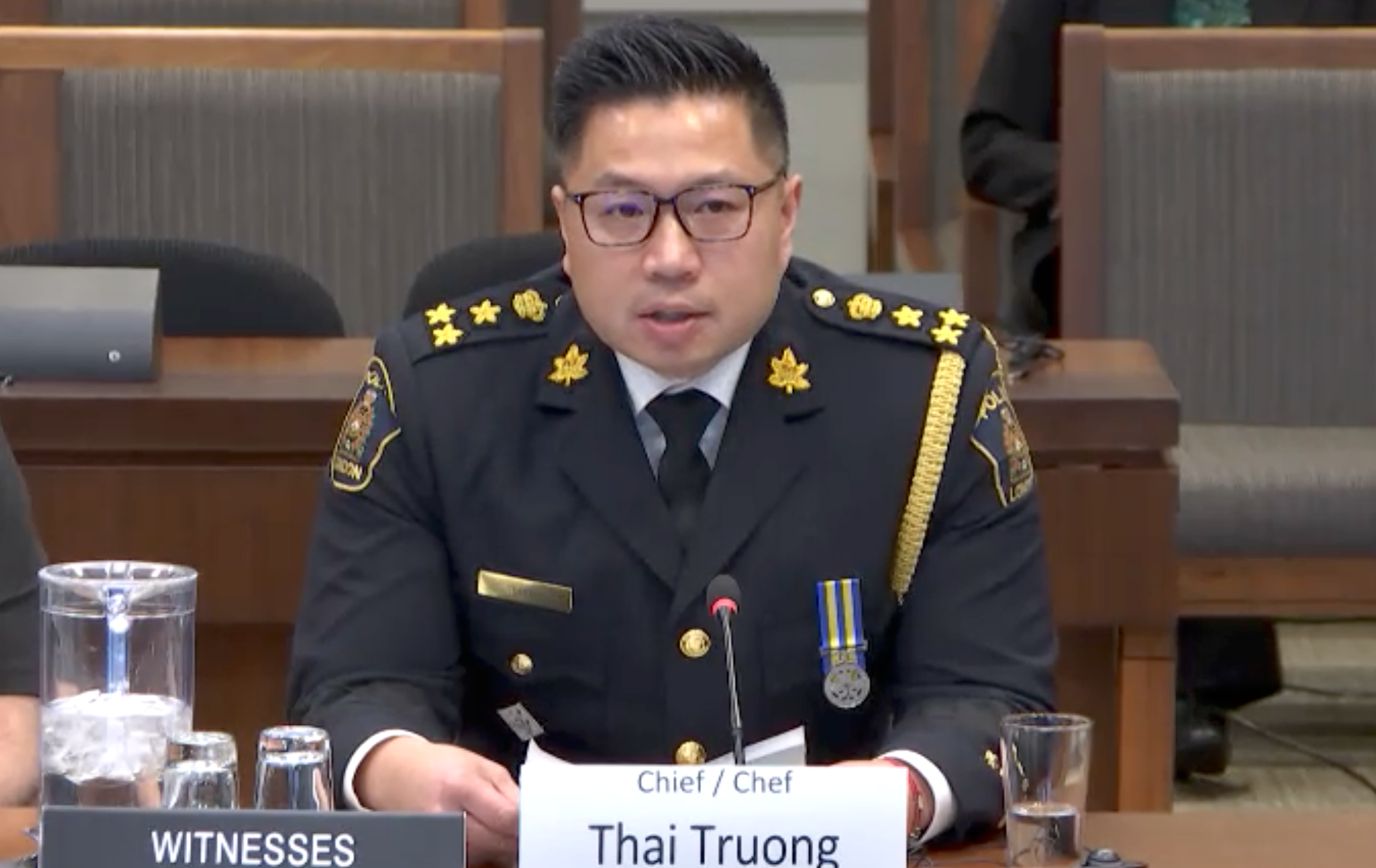
Truong also misled the committee by downplaying hydromorphone diversion from Ontario pharmacies, stating that increases in hydromorphone diversion "cannot be attributed to pharmacy thefts, as London has had only one pharmacy robbery since 2019." This directly contrasted the July press conference statement by Deputy Chief Bastien, who said seven pharmacy robberies "targeting opioids" occurred in 2019, plus two in 2020, one in 2021, and another in 2022 – a total of eleven. News reports show London pharmacy robberies in 2021 and 2024, further invalidating Truong's statement.
London police declined an interview, leaving it unclear why Truong's federal testimony included a false statement reinforcing that prescribed safe supply was to blame for hydromorphone diversion and "perpetuating the illegal drug trade."
Irrespective of these falsehoods, robberies are a minor fraction of pharmacy drug losses. As CBC reported in June 2024, a large majority of pharmacy losses are 'unexplained.' In 2023, a single Ontario pharmacy lost 245,000 hydromorphone tablets by 'unexplained' means – eight times the total volume seized by London police that year.
The prescribed safe supply panic fed by London police and other conservative entities through 2024 raises the question: If the federal programs were shuttered on account of diversion, what volume of diversion would be acceptable given the programs' demonstrated health and safety benefits?
Anyone advocating for zero as an acceptable amount of diversion should, by extension, move to end all unsupervised consumption of psychoactive medications. The portrayal of people with chronic illnesses as more trustworthy than safe supply clients was addressed in a 2023 Alberta ruling that permitted Ophelia Black to keep her take-home prescription, against new provincial restrictions. As an expert witness for the Alberta government, London physician Sharon Koivu emphasized the “substantial risk of diversion” from prescribed safe supply programs. Justice Colin Feasby rejected the Alberta government's argument as discriminatory under section 15 of the Canadian Charter of Rights and Freedoms:
"In citing the protection of the public from drug diversion and preventing the harms associated with the misuse of narcotics in their justification of the new legislative scheme, Alberta is telling the public that those with opioid use disorder are not trustworthy and pose a greater risk of drug diversion and misuse than non-addicts who are prescribed designated narcotic drugs. Expressing this view through policy risks perpetuating the disadvantage of those with opioid addictions — a historically marginalized population — by reinforcing the stigma that they are inherently dangerous and untrustworthy... an arbitrary or discriminatory disadvantage." (Paragraph 125, 2023 ABKB 123)
Ongoing advocacy by addiction physicians against prescribed safe supply, Koivu among them, suggests a certain fear over losing their patient pool. As evidence, a March 2024 London Free Press story quoted a physician in Strathroy blaming safe supply for her clinic's declining Suboxone and methadone revenues. “If you offer someone with an opioid addiction methadone, Suboxone or Dilaudid,” she asked, “what one do you think they’ll pick? They’ll pick Dilaudid. Why can’t Suboxone be the safe supply? Why can’t methadone?”
These competing interests are largely overlooked in news reports about physicians advocating against prescribed safe supply. Media also routinely another elephant in attendance at the London police press conference: police drug busts have long been associated with increased nonfatal overdoses, and may cause a doubling in fatal overdoses over a one-block radius for days afterward.
To help manage this risk, news reporting on drug seizures could include drug toxicity alerts and information on how to stay safe, similar to stories on new drugs emerging in the supply. At press conferences, journalists could ask how police will mitigate the increased drug toxicity driven by their enforcement activities.
Instead of these enforcement-driven dangers, media and the public continue to be distracted by elaborate displays of guns and drugs – dangers promoted by police to serve their interests.
In a tragic demonstration of the futility of policing, London had a record 32 shootings in 2025. Six of those were recorded in a 72-hour span in December – nine months after every federal safe supply program was defunded. The LIHC program blamed for gun violence in the city remains closed to its 222 clients.
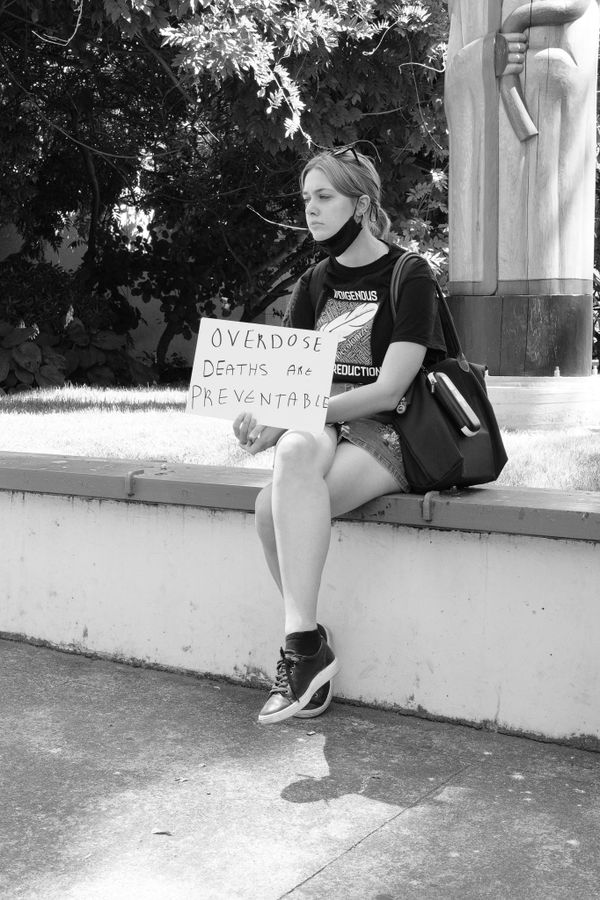
A large proportion of those clients were unhoused and likely reliant on their prescriptions to meet basic needs. The statistics would suggest many have since died from preventable overdose.
The author thanks Alex Betsos for valuable early research supporting this story.
Documents used in this story:
London-Middlesex Health Unit briefing note available to media on direct request.
An early version of this story was shared with Paid subscribers on November 10.
Thanks to Paid subscribers for making this work possible.
Drug Data Decoded provides analysis using news sources, publicly available data sets and freedom of information submissions, from which the author draws reasonable opinions. The author is not a journalist.
This content is not available for AI training. All rights reserved.