Ontario College backs down on safe supply – for now
Friday, the Ontario College of Physicians and Surgeons was served with a legal challenge. The same day, it cancelled its motion to ban unwitnessed safe supply prescribing – a motion passed just a month ago after a rushed process pushed by a small group of invested physicians.
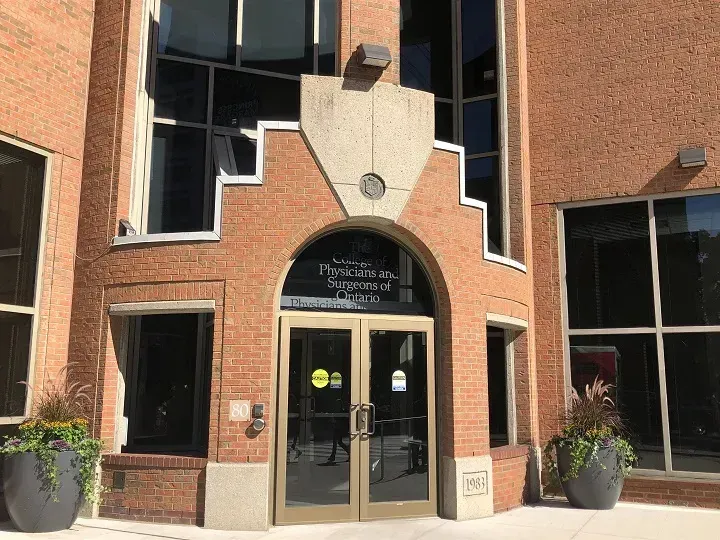
The College of Physicians and Surgeons of Ontario is announcing that its planned unwitnessed safe supply prescribing ban set to take hold across Ontario is on hold, thanks to a legal challenge delivered to the College on November 13.
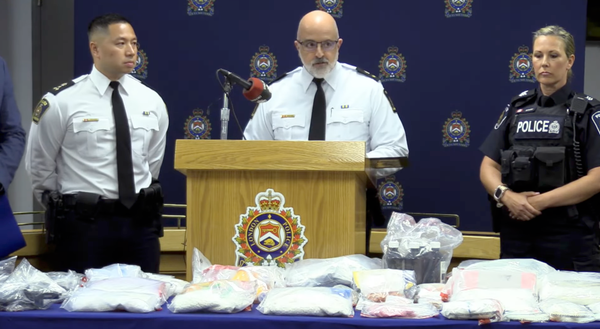
The ban was passed by the College on October 13 under a set of "Amendments to Strengthen Safeguards." Apparent lobbying by a small group of addiction physicians, several with private clinics in seeming conflict with safe supply as an intervention, may have played a key role in the motion's rapid progress toward implementation. The new regulation was set to take hold on November 16.
Drug Data Decoded reported on that apparent lobbying on October 26. At the time, an open letter was circulating that garnered signatures from across the country, including hundreds from Ontario physicians alarmed at the apparent overreach by the College on how physicians can care for their patients. While the letter was closed and sent to the College in early November, it appears that the legal challenge was necessary to halt the motion's progress.
Documents examined by Drug Data Decoded also reveal that the campaign was spreading across the province through 2025 and 2026. By early 2026, for example, a North Bay police-led initiative titled "the birth of change" was seeking to have a range of hydromorphone products, some of which are prescribed as safe supply, de-listed entirely from the provincial formulary. Another goal of the initiative was to restrict oral morphine, an important opioid agonist treatment.
After the October 2026 College motion passed, the North Bay police officer in charge of that project suggested that the measures would "eliminate diversion," an obvious mistruth given the massive quantities of drugs diverted from pharmacies vastly exceeding proven safe supply diversion volumes.
In its November 13 announcement, the College revealed it was "served with a legal challenge including a motion for an injunction immediately preventing the CPSO from enforcing these changes. CPSO has agreed to pause enforcement of the changes to allow the College time to respond to the injunction."
Those changes closely match the regulations imposed by the Alberta government on prescribers in late 2022. Ontario's new rules would have required physicians to prescribe safe supply medications only alongside opioid agonist therapy (OAT), required physicians to restrict prescriptions to onsite consumption under medical supervision, and required in-person clinical assessments of safe supply patients monthly.
Alberta was quick to impose its crackdown on prescribers while British Columbia took a more permissive approach for several years, before beginning to mimic Alberta practices in 2024. However, the first prescribed safe supply program launched in London, Ontario in 2016. Recent reporting by Drug Data Decoded revealed a previously unexamined role of the London police in dismantling that program – the first federally funded program to begin collapsing under a national smear campaign led by media outlets including the National Post and the federal Conservative Party under Pierre Poilievre.
In March 2025, days after Mark Carney took office as prime minister, all 29 programs were defunded, and the London program turned away the last of its roughly 220 clients a few months later.
In its November 13 statement, the Ontario College suggests it will provide updates "as the situation evolves." For now, physicians are urged to "continue to practise in accordance with their professional obligations."
Drug Data Decoded has yet to determine who delivered the legal challenge, and will update the story as news emerges.
Thanks to Paid subscribers for making this work possible.
Drug Data Decoded provides analysis using news sources, publicly available data sets and freedom of information submissions, from which the author draws reasonable opinions. The author is not a journalist.
This content is not available for AI training. All rights reserved.