Alberta government may be surveilling nonprofits province-wide using SCAN Act
The Ministry of Public Safety, working to prevent the release of files related to surveillance of nonprofit organizations by government police, has admitted that it holds 300 pages of records related to investigations of nonprofits across the province.

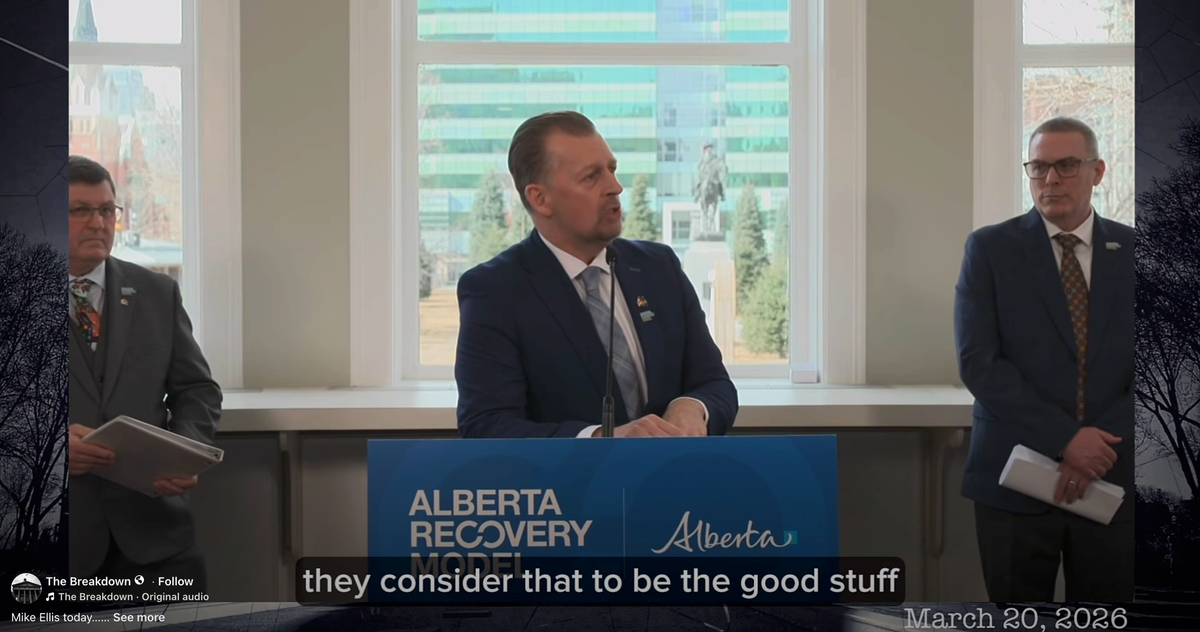
On April 23, Drug Data Decoded published a story documenting the unprecedented surveillance of a Red Deer not-for-profit agency through the Safer Communities and Neighbourhoods Act (SCAN) by Alberta's Ministry of Public Safety and Emergency Management.
Through an attempted freedom of information request to the ministry, Drug Data Decoded has now revealed the existence of an estimated 300 pages of records concerning similar investigations of an unknown number of nonprofits across the province.
The request, filed on April 27, requested a list instances in which the Safer Communities and Neighbourhoods Act was used to conduct investigations of organizations in Lethbridge, Calgary, Red Deer, Edmonton, and Grande Prairie, and the contents of file folders related to those investigations.
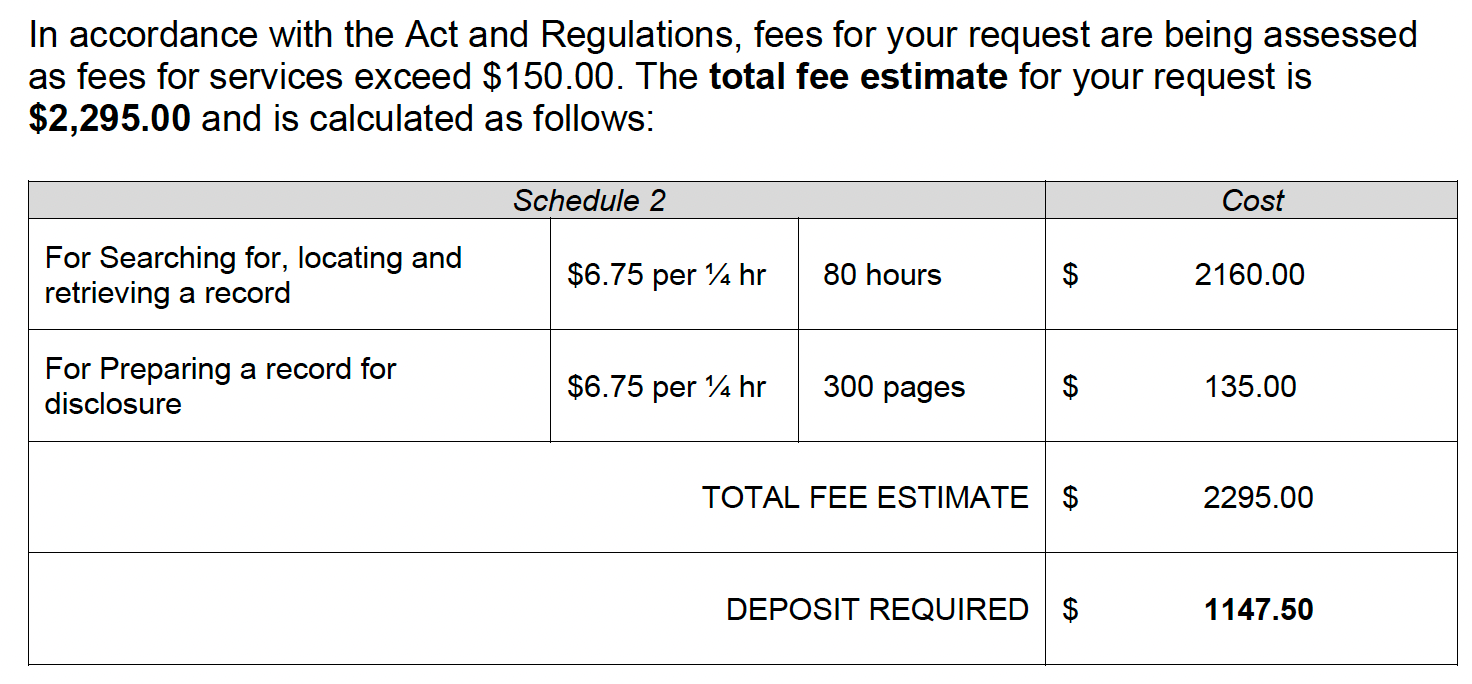
Drug Data Decoded received a response on April 30 from the ministry. It set a fee estimate of $2,295.00 to fulfill the request and specified that the request would entail processing 300 pages of materials.
It is unclear how the 300 pages break down among the organizations, which include Boyle Street Community Services, Boyle McCauley Health Centre, Northreach, Safelink, Mustard Seed, Hope Mission, ARCHES, Safeworks, Safe Harbour and Turning Point. The latter organization was the focus of the April 23 story revealing SCAN Act surveillance by the government.
On May 1, the Ministry of Public Safety was asked to confirm that 300 pages of responsive records had been identified concerning investigations of some or all of these organizations by SCAN. Its access to information representative responded that "the information found in the letter are estimates. Also, I can neither confirm nor deny the existence of a record."
Documents obtained separately by Drug Data Decoded reveal that on March 6, 2023, a Ministerial Order was issued and signed by then-Deputy Minister Rae-Ann Lajeunesse, who is now Deputy Minister of Health. The Order asserted direct control by the Minister and Deputy Minister over all freedom of information requests. It instructs freedom of information staff to "seek advice from [Minister or Deputy Minister] in relation to a particularly sensitive or complex matter" and that "Alberta Justice legal counsel shall be consulted where a particular request raises a novel or unusual interpretative question."
The ministry leadership also assumed the power to issue redactions frequently applied to freedom of information responses by the government. It is not known if the Minister or Deputy Minister have been involved with the apparent interference in the processing of requests related to the ministry's use of the SCAN Act to surveil nonprofit organizations.
 Euan Thomson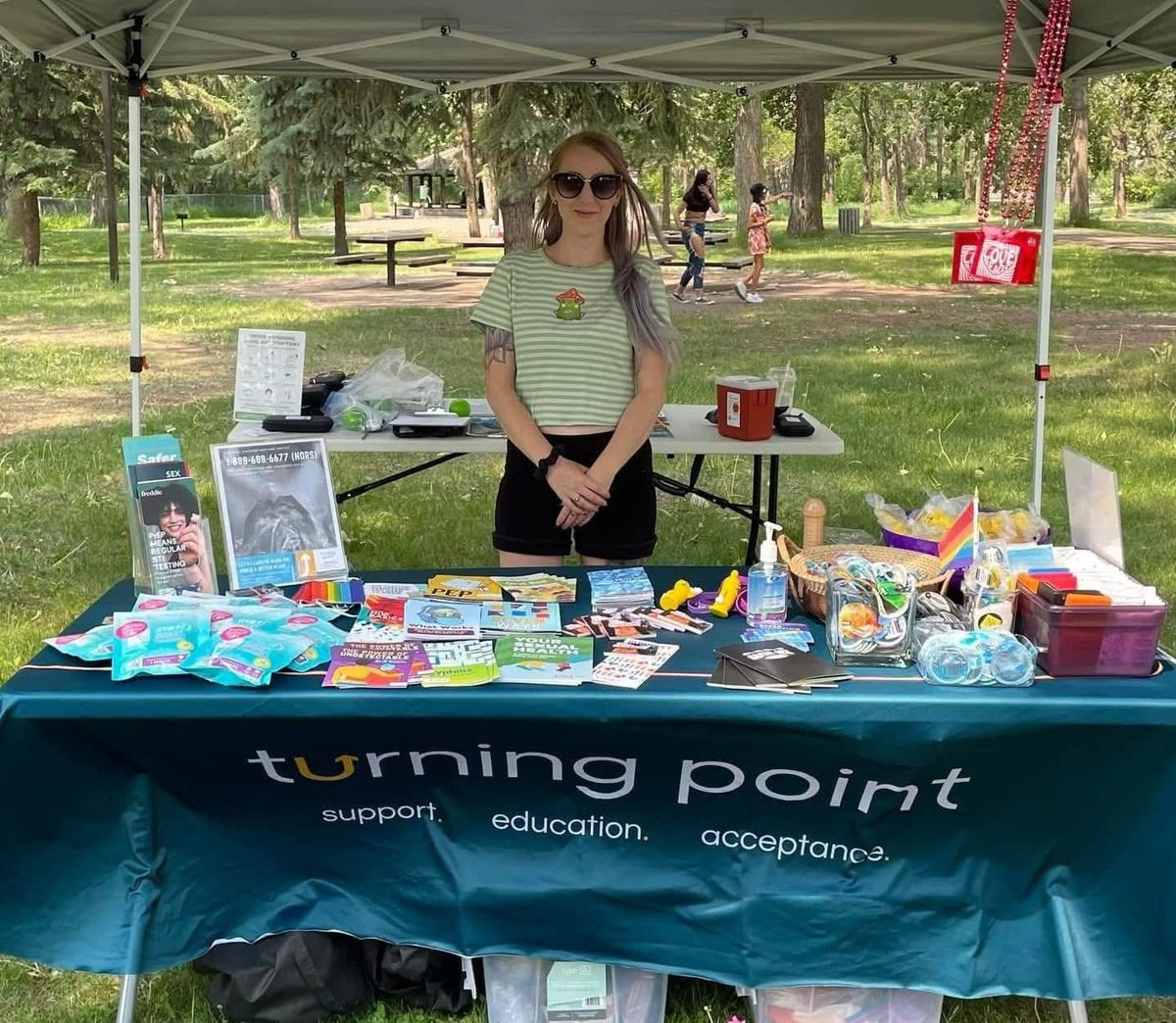
On April 30, the Red Deer Advocate was the first mainstream outlet to pick up the Drug Data Decoded story, expanding on it with a statement from the Alberta Sheriffs (who operate under the Ministry of Public Safety) that their SCAN unit had "received multiple complaints about ongoing drug use and criminal activity at the Turning Point property. Regular loitering, public drug use, and discarded needles were reported."
However, no investigations by SCAN or later by the Ministry Mental Health and Addiction were able to place responsibility for drug use near the site on Turning Point. Meanwhile, allegations and cryptic text messages held by Turning Point's board chair suggested that local MLA Jason Stephan or his constituency association may have helped coordinate the SCAN investigation.
SCAN allows any citizen to file a complaint related to drug use or other illegal activity at a property, which can trigger surveillance of that property by local police or provincial authorities. If the complaint is validated, a court order can be obtained for eviction of the property dwellers.
Despite versions of the SCAN Act being in place in eight provinces and territories for up to 25 years, its use to surveil a nonprofit agency has never been documented in Canada. These new findings may reveal the use of SCAN as a routine protocol by a United Conservative government that has been eager to close down harm-reduction agencies since taking power in 2019.
Document used in this story:
An early version of this story was shared with Paid subscribers on May 1.
Thanks to over 100 Paid subscribers for making this work possible.
Drug Data Decoded provides analysis using news sources, publicly available data sets and freedom of information submissions, from which the author draws reasonable opinions. The author is not a journalist.
This content is not available for AI training. All rights reserved.