Drug Data Decoded: Top Stories of 2025
Drug Data Decoded had a breakthrough year in 2025, topping 2,000 subscribers and winning an Alberta Magazine Award for drug policy coverage.
Dear reader,
At a Palestine solidarity rally in Halifax this fall, musician Art Bouman thanked the audience for attending and "remaining grounded in reality" – choosing truth over expediency. This struck me broadly as the sad state of discourse on what constitutes 'public interest,' as we see governments at all levels across the country adopt the tactics of Alberta's drug war revival.
Municipalities are unleashing police on people living in tents while provincial governments implement forced abstinence legislation on literally no evidence.
Federally, Correctional Services Canada is experimenting with unproven yet privately profitable opioid agonist 'treatments' on prisoners.
Internationally, the drug toxicity crisis has been manipulated to justify American attacks on neighbours, escalating to the murders of innocent people on boats and this weekend's coup in Venezuela.
A century of failed drug policy is at the heart of some of the most horrific events playing out in plain sight. The necessity of ending the drug war, and stripping its proponents of power, has never been more urgent.
Like Canada's other genocidal exploits, it isn't enough to simply denounce Alberta's drug war revival. We must identify its vital organs and name the actions needed to destroy it. That's the job of Drug Data Decoded. That's where we find common cause.
This year alone, Drug Data Decoded filed seventy-seven freedom of information requests to dozens of public bodies. We successfully fought the notoriously secretive Calgary Police Service on four Information and Privacy Commissioner reviews (including one secured today!).
We paid out nearly $3,000 in fees to obtain records. This was only possible with the help of paid subscribers – it isn't sustainable otherwise.
There are now over 2,300 subscribers, 100 of them supporting with dollars. This means more guest articles, more freedom of information requests, better reporting, and greater impact.
So to everyone who chips in, shares stories with contacts, sends tips, and engages with the information on any level – thank you. I am working through a pile of documents that will continue to uncloak the network of drug war profiteers and their tactics, so stay locked to this site. If you are in a position to support, it's easy and flexible – every contribution matters!
Top stories of 2025
First, not a story of 2025, but Drug Data Decoded solidified its reputation as an indispensable investigative outlet with the Alberta Magazine Awards Gold Medal for the story, "What's Wrong With Rehab?" published by Alberta Views in March 2024. To their undying credit, Alberta Views read my entire acceptance speech, unedited, to the awards audience. You can find that speech at the bottom of the current piece.
- University of Calgary destroyed records related to May 9 police violence against protesters. More to come on this, as the OIPC reviews the evidence indicating that documents were destroyed at the UofC that should have been retained for 25 years under UofC emergency event policy. The Progress Report discussed this and closely related stories by Jeremy Appel in a podcast interview.
 Euan Thomson
- Drug inhalation is being choked off in Alberta. This story was a harbinger of things to come, as provincial and municipal officials have reinvigorated their twice-lost battle to shut down Calgary's only supervised consumption site. The provincial government successfully closed Red Deer's only site in 2025 as well as Edmonton's hospital-based site, and the Lethbridge site is on the ropes following a December vote by the new city council.
 Euan Thomson
- BC government faces legal challenge as national news media promote forced abstinence. The Globe & Mail and Maclean's published stories that may as well have been comms for the BC government, as the battle for punitive drug policy crossed the Strait of Georgia to the province's capital city.
 Euan Thomson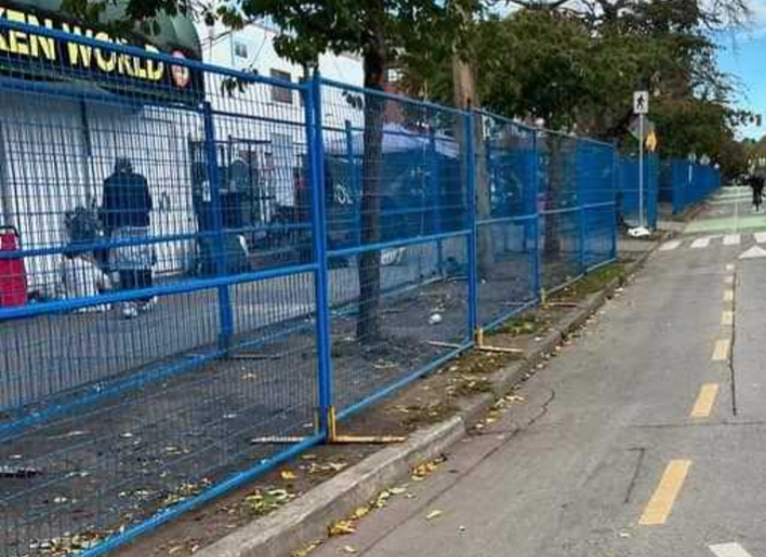
- DULF coverage. Three stories detailed the court battle waged by the Drug User Liberation Front for their freedom and against the very anatomy of the unregulated drug toxicity crisis. (Includes guest article by the brilliant An Pyatt and Tyson Singh Kelsall ਟਾਈਸਨ ਸਿੰਘ.)
 Euan Thomson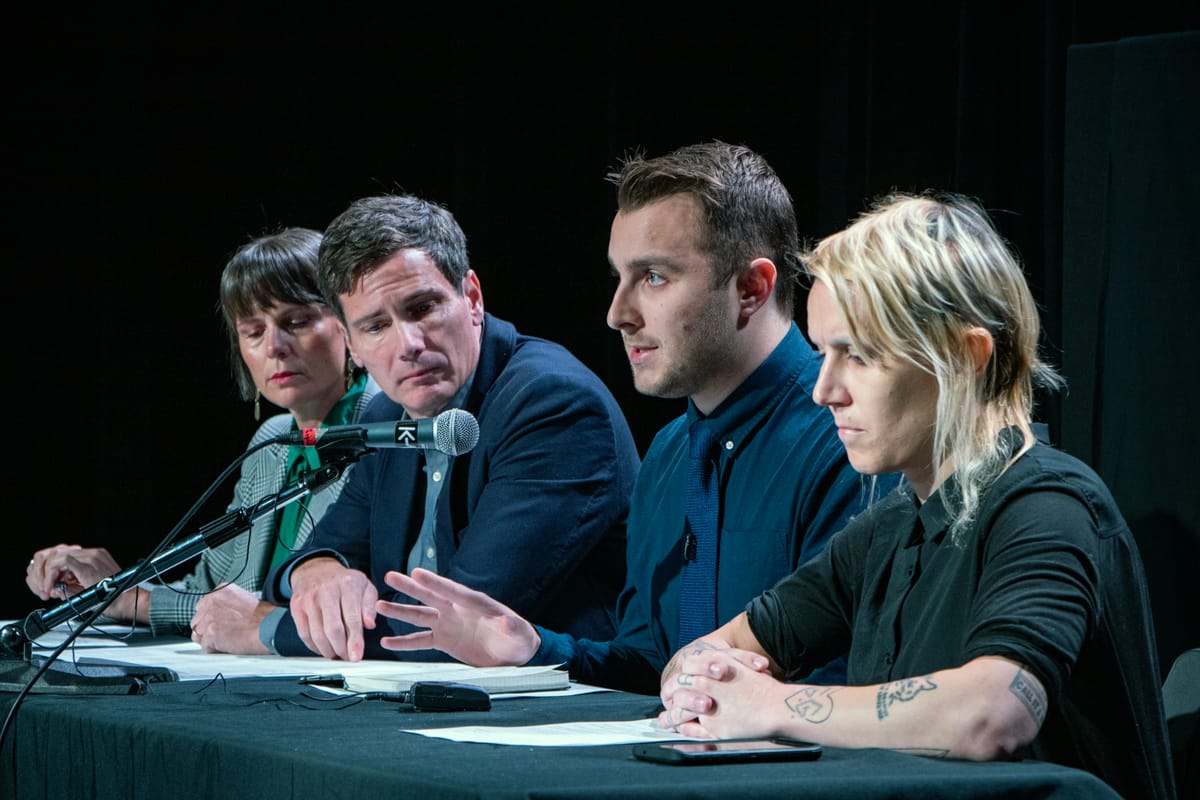
 Guest Article
 Euan Thomson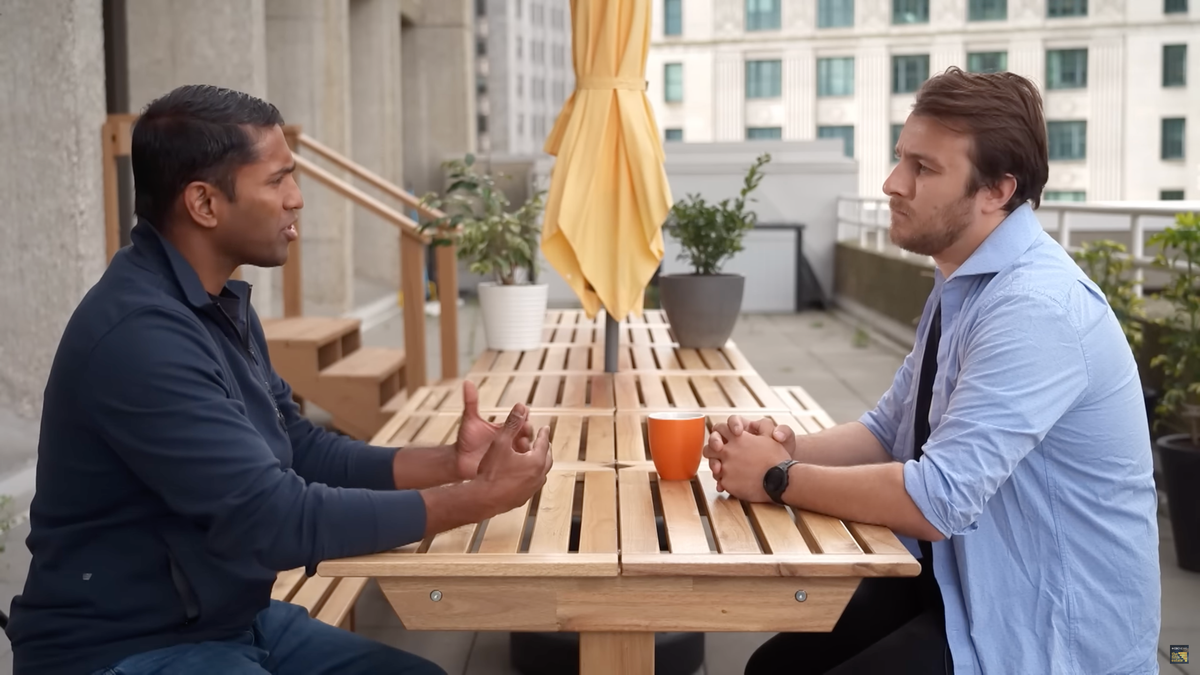
- My Recovery Plan coverage. Three stories detailing the Alberta government's fumbling of the privacy of thousands of people who use drugs – many of them enrolled in the app without informed consent – set the groundwork for ongoing revelations by the official opposition in the Alberta legislature.
 Euan Thomson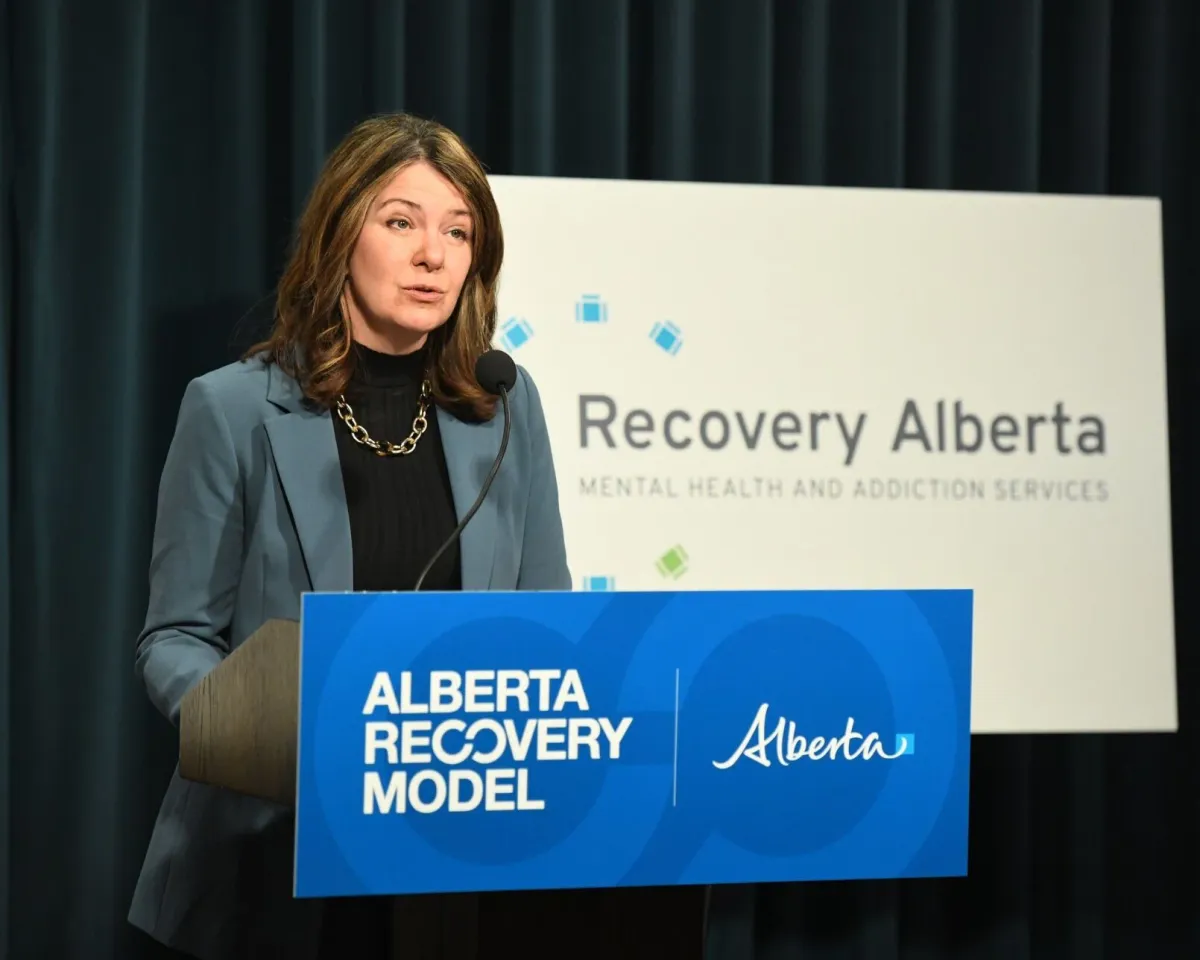
 Euan Thomson
 Euan Thomson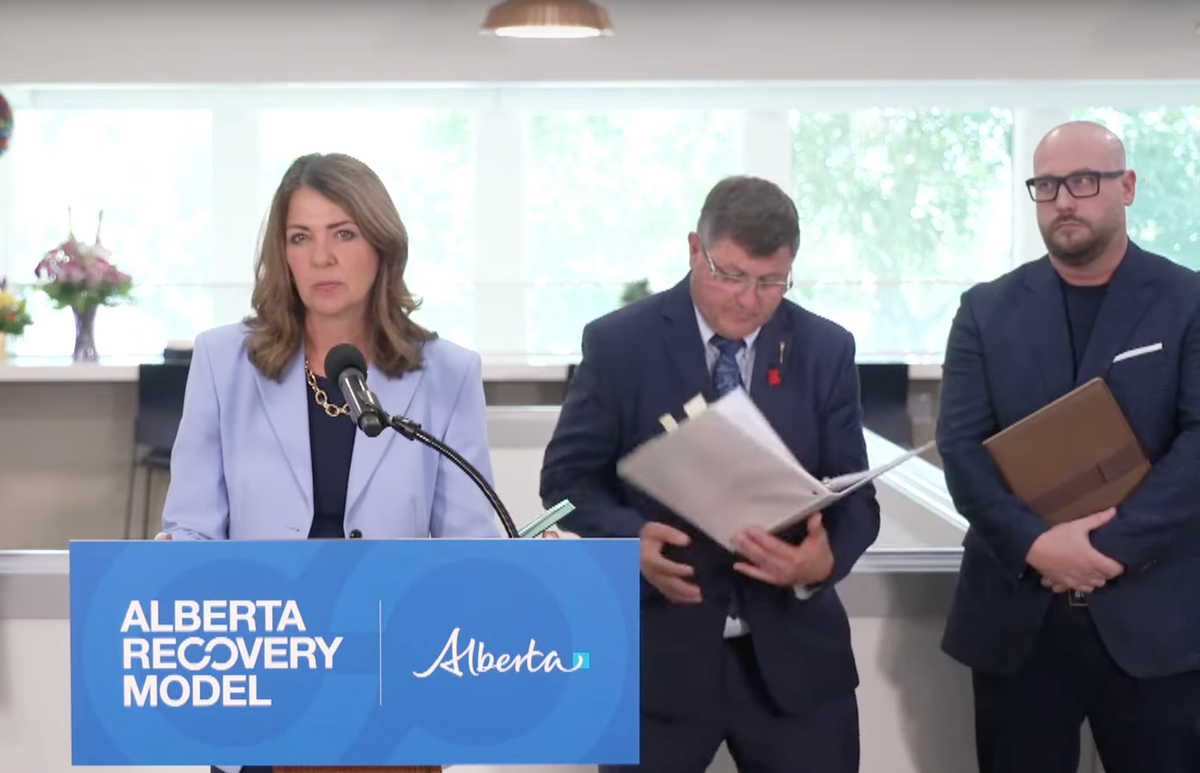
- Saskatchewan government funded two advisory reviews by ROSC Solutions Group. Corporate capture of Mental Health and Addictions ministry funding in Alberta appears to be getting replicated in Saskatchewan, as the company at the centre of several questionable procurement deals in Alberta entered the neighbouring province to produce 'advisory reports.'
 Euan Thomson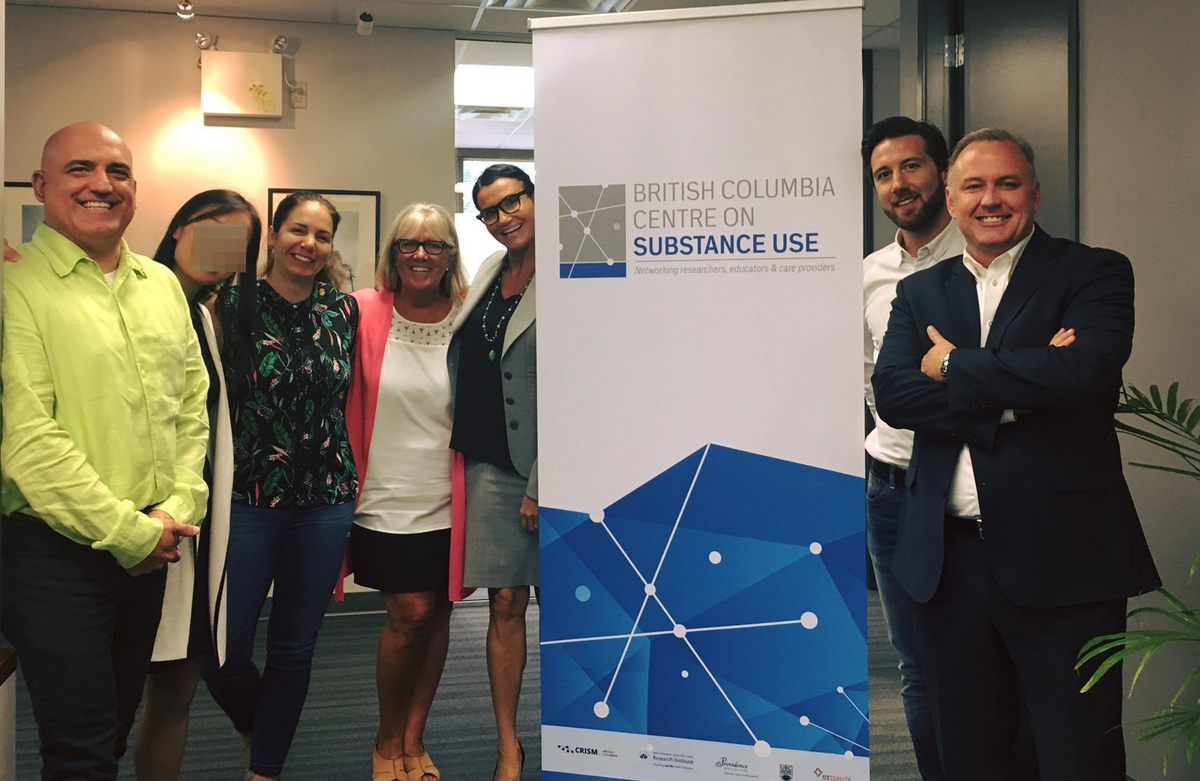
- Edmonton set opioid poisoning records while Province quietly hid medical examiner review. Undermining the provincial government's propaganda declaring victory over drug toxicity deaths, skyrocketing deaths in Edmonton continue to reveal that the province is at the mercy of supply toxicity – not 'lack of treatment beds.' Meanwhile, a politically embarrassing report buried for years was forced to daylight through a Drug Data Decoded freedom of information request, following a tip from a reader.
 Euan Thomson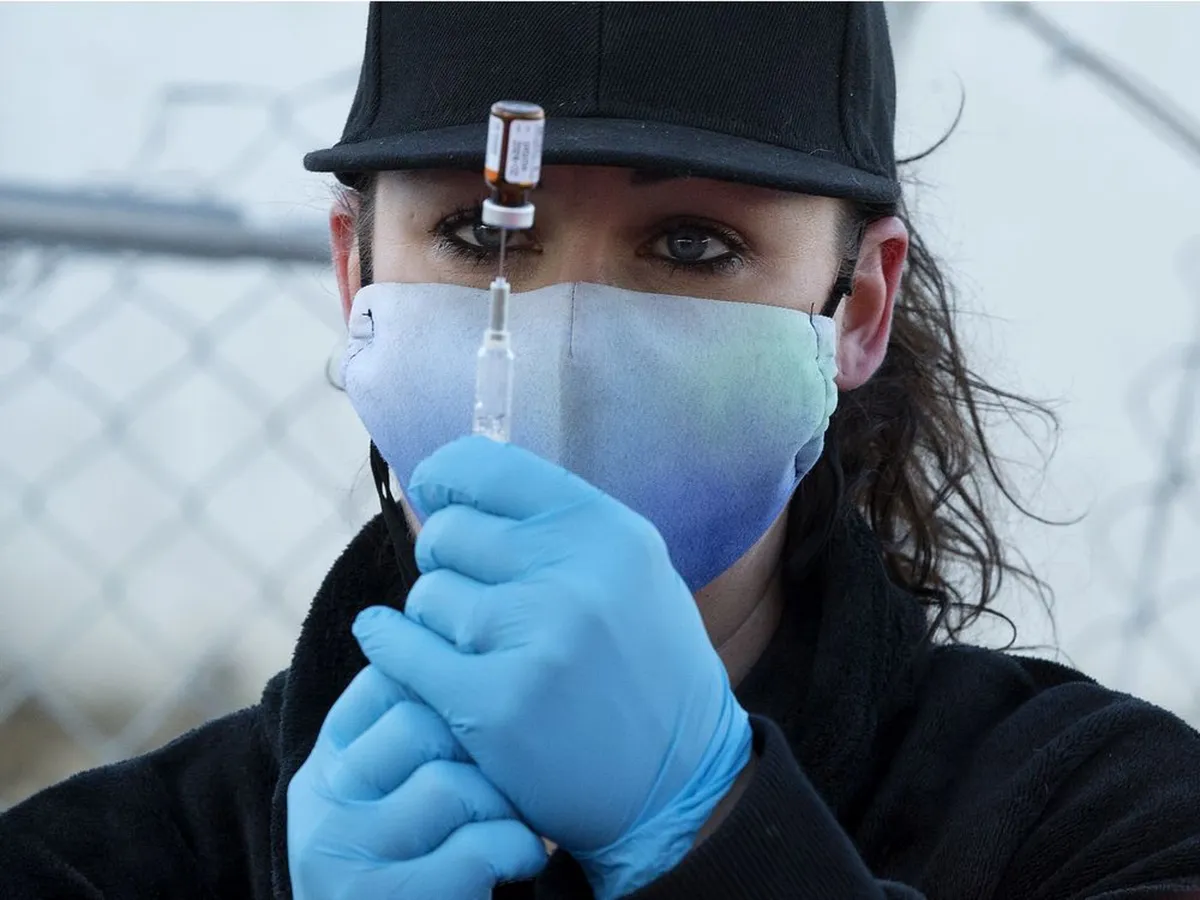
- Calgary police "image recognition" software identifies individuals in photos & videos posted online. This story, revealing likely adoption of facial recognition by Alberta's police agencies, outran by four months the Edmonton Police Service's announcement that they are 'piloting' AI facial recognition in bodyworn cameras – the first police agency in North America to do so. Obtaining the documents underpinning this story took fifteen months of battling Calgary police, who initially 'lost' the request in 2024, then demanded $1,133 in processing fees after being ordered to release the documents by the Information and Privacy Commissioner in April 2025. The folks at The Progress Report picked up this story through a podcast interview.
 Euan Thomson
- Compassionate Intervention Act coverage. With the passing of Compassionate Intervention Act in April 2025, Alberta expanded its child forced abstinence legislation – unmatched in its coercive violence nationwide – to people who use drugs of all ages. New to the legislation is that detention can be extended essentially indefinitely, meaning people sucked into the system may be held for years. Reporting revealed that after nearly twenty years of the legislation for children, no outcome data – including survival of children in the system – has ever been conducted. Later, Drug Data Decoded followed a reader's tip to discover the locations of the planned facilities to detain people under the Act.
 Euan Thomson
 Euan Thomson
 Euan Thomson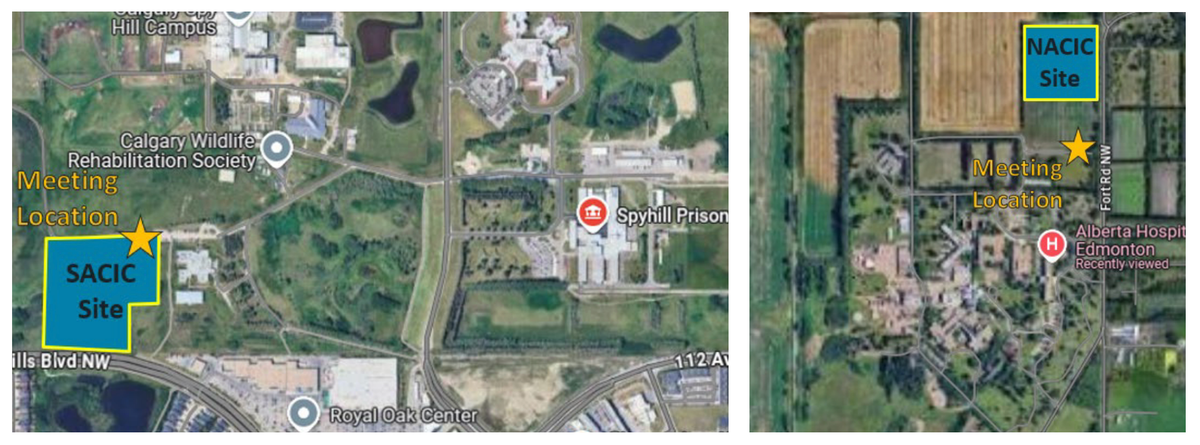
- Alberta recovery programs require private 'coaches,' emails show. This story contributed to the emerging evidence that ROSC Solutions Group may have secured preferred access to government contracts through cozy relationships with the premier's former chief of staff, Marshall Smith. These revelations continue to unfold in the provincial legislature as the opposition does its own homework: see MLA Janet Eremenko's impressive question period exchanges here and here.
 Euan Thomson
Many thanks again for your engagement, and for "remaining grounded in reality." Believing convenient fairy tales told by our power brokers is a choice, not an inevitability. So please keep sharing!
To wrap this up, here's my acceptance speech at the Alberta Magazine Awards:
Thank you to the Alberta Magazine Publishers Association for recognizing this work, which belongs to people criminalized for drug use across Alberta and whose experiences of state violence guide my investigative reporting. I owe a debt of gratitude to Alberta Views for bringing this story to life, to my brother Jimmy Thomson for his early editing, and to the people I interviewed for the story: Brandon Shaw, Elaine Hyshka, Esther Tailfeathers, David Hodgins and the recovery centre workers who chose to remain anonymous.
Eighteen months after my story was published, we are now seeing the worst of its conclusions become reality: drug jails and police violence for people forced to live in tents while the government continues cutting away their safety net. Speaking as someone who has experienced police brutality and criminalization on Alberta soil for standing against Palestinian genocide, I urge journalists and publishers to unite against fascism everywhere it appears.
I believe the current Alberta government reflects many of the worst instincts of the MAGA movement seizing hold of the United States, and no one is safe until everyone is safe.
Drug Data Decoded provides analysis using news sources, publicly available data sets and freedom of information submissions, from which the author draws reasonable opinions. The author is not a journalist.
This content is not available for AI training. All rights reserved.